

Choosing a diesel generator cooling fan is not simply a matter of selecting the largest blade or matching a catalogue diameter. The fan must work as part of a complete thermal-management and airflow system that includes the engine, radiator, shroud, louvers, ducting, room ventilation, and the actual operating duty point. This overview explains the engineering logic, supplier data, and RFQ checks buyers should use before approving a fan for a generator application.
What a diesel generator cooling fan does
A generator cooling fan moves air through or across a radiator so heat rejected by the engine coolant can leave the system. In a packaged genset, the fan also interacts with the radiator core, shroud, guards, louvers, exhaust path, and enclosure. In a generator room, separate ventilation may be needed to control room temperature and supply combustion air. The fan should therefore be evaluated by its operating point—airflow at the required system resistance—not by free-air airflow alone.
The U.S. Department of Energy notes that an emergency generator should have a self-contained cooling system or be able to operate without overheating until an auxiliary system is activated. It also identifies poor air quality as a diesel-generator-room concern and recommends locating ventilation intake higher above the ground to reduce local dust intake [1]. These observations reinforce a practical rule: cooling-fan selection must include the surrounding air path, cleanliness, and maintenance environment.
Key fan characteristics to review
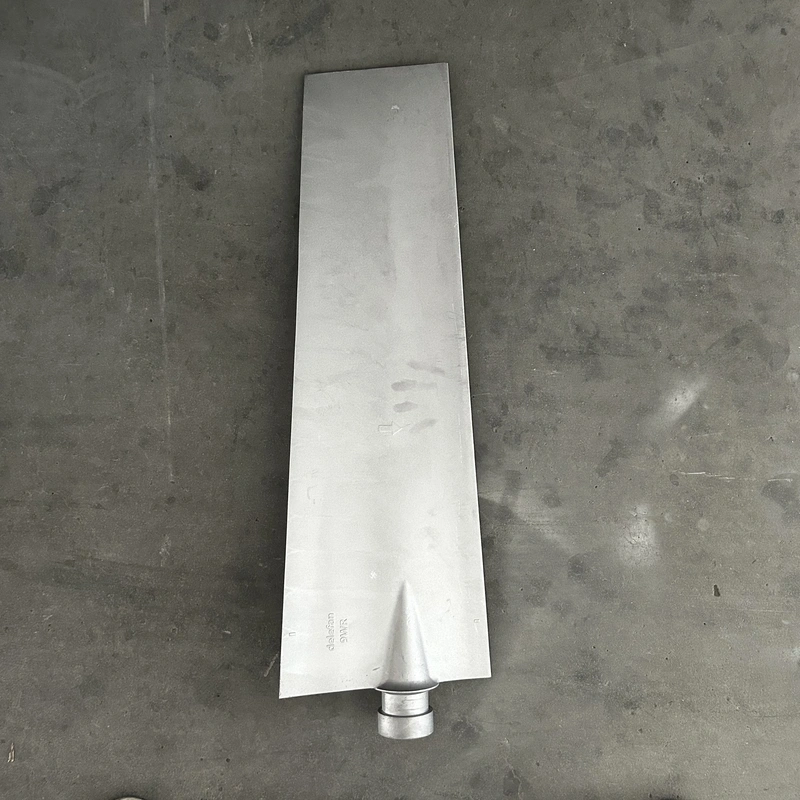
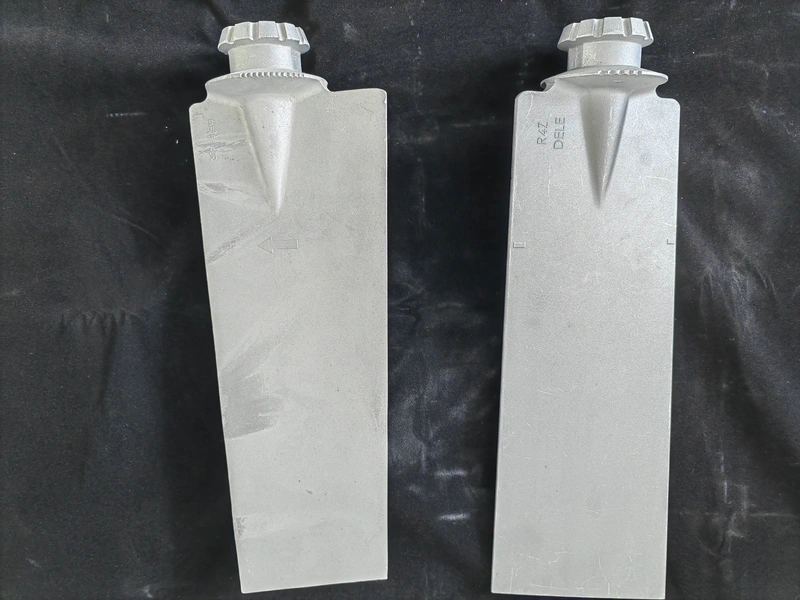
Supplier data should be separated from application assumptions. The COLORFAN product page for the Small Size Aluminum Sickle Axial Fan 1XL lists aluminum alloy construction, selectable blade counts of 3, 4, 6, 8, 10, 12, or 14, a 20–50 degree angle range, a stated temperature range of -40°C to 150°C, clockwise or counter-clockwise rotation, and air-blowing or air-suction direction. The same page lists power-generation equipment among the applications. These are supplier-published product-page facts.
However, the page does not publish a diesel-generator-specific airflow curve, static-pressure curve, motor or engine compatibility, noise value, certification, test report, production capacity, lead time, or customer case. Those details cannot be inferred from the general application list. They remain RFQ confirmation required.
| Selection factor | Why it matters | What to confirm in the RFQ |
|---|---|---|
| Airflow and system resistance | The radiator, shroud, louvers, guards and ducting determine pressure loss. | Duty-point airflow, static pressure, test method and fan curve. |
| Direction and rotation | Blowing and suction arrangements affect radiator-side flow and packaging. | Required airflow direction, rotation direction, viewed-from side, and installation drawing. |
| Blade geometry | Blade count, pitch and angle affect airflow, noise, power demand and clearance. | Approved blade configuration, balance grade, tip clearance and guard requirements. |
| Environment | Dust, temperature, moisture and vibration influence durability and maintenance. | Ambient range, dust exposure, corrosion conditions, vibration limits and cleaning plan. |
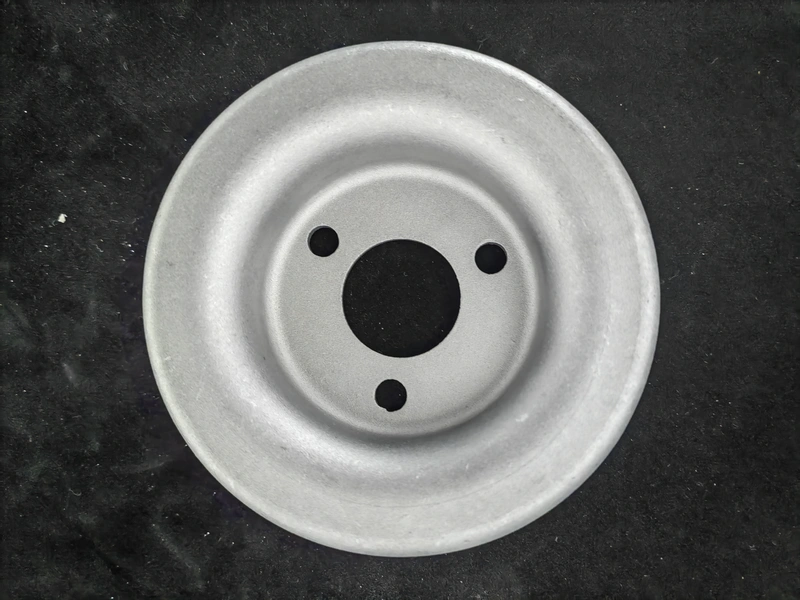
| Mechanical interface | A dimensional mismatch can create interference or unsafe loading. | Hub bore, bolt pattern, shaft arrangement, rotation, shroud dimensions and tolerances. |
Cooling-system and installation checks
The fan cannot be approved independently from the radiator and enclosure. A buyer should request the radiator core dimensions, allowable airflow restriction, shroud geometry, fan-to-core clearance, and the expected temperature rise at the design load. The University of Colorado Denver | Anschutz Medical Campus specification requires drawings to show ventilation and combustion-air requirements, clearances, and related generator-system dimensions. In its project context, it describes a glycol-cooled radiator with a blower-type fan sized for safe engine temperature at 110°F ambient and a maximum radiator airflow restriction of 0.5 inches of water [2]. These figures are project-specific examples, not universal requirements and not specifications of the COLORFAN 1XL.
Reviewers should also examine whether the fan is mechanically driven, electrically driven, or part of a remote radiator package. The control strategy may affect start-up, low-load operation, emergency operation, and fault response. If the proposed fan is intended to replace an existing part, the buyer should compare the full assembly rather than only the blade: hub, mounting, balance, rotation, guard, shroud and motor loading all matter.
How to compare fan options
For an informational or early procurement review, compare options in three layers. First, check whether the physical interface and airflow direction are compatible. Second, compare the duty-point curve at the pressure created by the radiator and enclosure. Third, review environmental and lifecycle requirements, including inspection access, cleaning, spare-part availability and documented testing. A lower catalogue price does not compensate for inadequate airflow, excessive noise, unstable operation or difficult maintenance.
For related background, see COLORFAN’s axial fan static-pressure guide for system sizing and its axial fan working-principle guide. These internal resources can help readers understand airflow logic, but they do not replace a project-specific fan curve or generator manufacturer approval.
RFQ checklist for a generator cooling fan
Before requesting a final quotation, provide the generator manufacturer and fan supplier with the generator model and rated output, engine model, radiator model, design ambient temperature, altitude, cooling medium, radiator dimensions, required airflow, estimated system resistance, fan location, airflow direction, rotation direction, available power, mounting drawing, duty cycle, noise limits, enclosure or room layout, dust and moisture conditions, and applicable standards. Ask the supplier to identify every assumption and to mark unverified values as “to be confirmed with the manufacturer.”
The RFQ should also request a dimensional drawing, material statement, balance and vibration information, performance test method, inspection criteria, packaging, spare-part policy and expected delivery terms. For the COLORFAN 1XL page, the listed material, blade options, angle range, temperature range, rotation choices and airflow direction can be used as an initial discussion basis. Generator-specific compatibility, performance, certification, testing, production capacity, lead time and customer-case evidence still require confirmation.
Frequently asked questions
Is a general axial fan automatically suitable for a diesel generator?
No. Suitability depends on the radiator duty point, pressure loss, mechanical interface, airflow direction, operating environment, controls and generator manufacturer requirements. RFQ confirmation is required.
Does more blade pitch always provide better cooling?
No. Blade pitch changes the relationship among airflow, pressure, power demand, noise and clearance. The correct choice must be checked against the complete system curve and the available drive capability.
Can the COLORFAN 1XL be treated as a confirmed generator replacement part?
Not from the product page alone. The page lists power-generation equipment as an application and provides general product options, but generator-model compatibility and duty-point performance must be confirmed with the manufacturer.
What information should a buyer send with an RFQ?
Send the generator and engine models, radiator and shroud data, design ambient, required airflow and resistance, mounting dimensions, direction of flow, rotation, power source, environment, standards and test requirements. Missing data should be clearly marked for confirmation.
Conclusion
A reliable diesel generator cooling fan selection process starts with the system, not the catalogue headline. Use supplier-page facts as a starting point, use independent engineering guidance to frame the design questions, and keep unverified compatibility or performance claims in the RFQ category. Buyers who provide the complete duty point and interface information can obtain a more meaningful quotation and reduce the risk of installing a fan that does not meet the generator’s actual thermal requirements.