

Selecting the right axial fan involves more than just matching airflow requirements. For project managers and thermal engineers, the material choice between plastic and aluminum dictates the long-term reliability, acoustic performance, and environmental resilience of the entire system. While plastic fans dominate high-volume consumer electronics, aluminum axial fans remain the gold standard for rugged industrial environments.
This guide analyzes the technical trade-offs between plastic and aluminum axial fans to help you determine which material aligns with your specific operational constraints and budgetary goals.
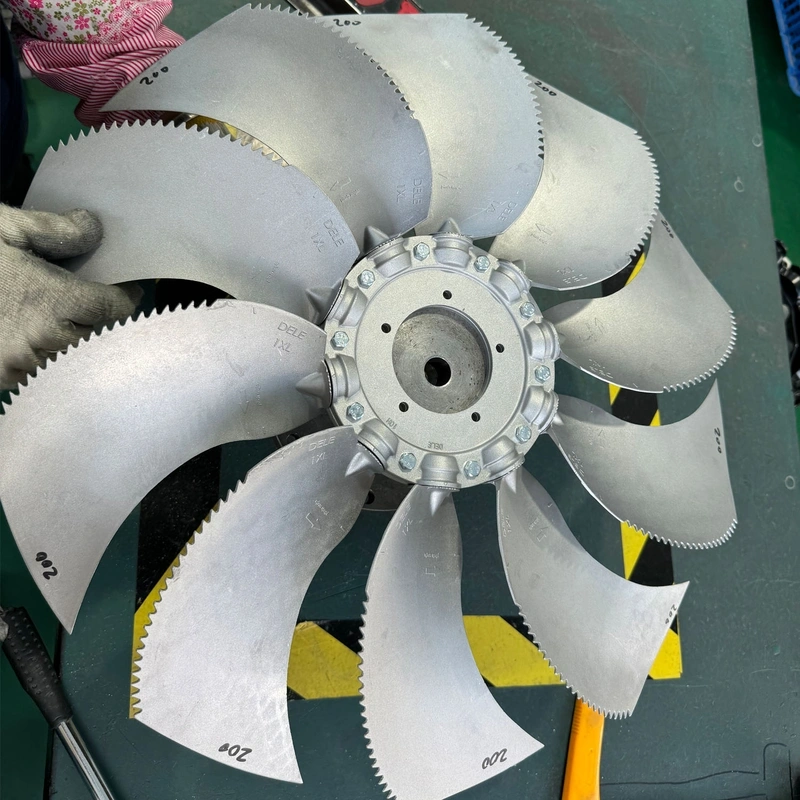
The Material Science: PBT Plastic vs. Die-Cast Aluminum
The performance of an axial fan starts with its housing and impeller material. Most industrial-grade “plastic” fans are actually made from PBT (Polybutylene terephthalate), often reinforced with glass fiber to enhance structural integrity. In contrast, high-performance metal fans typically utilize die-cast aluminum alloys (such as ADC12), which provide a significantly higher strength-to-weight ratio.
Quick Comparison: Plastic vs. Aluminum Axial Fans
| Feature | Plastic (PBT/Glass Fiber) | Aluminum (Die-Cast Alloy) |
| Operating Temp | Typically up to 70°C | Up to 100°C+ (with specialized bearings) |
| Durability | Moderate; prone to UV/Heat aging | High; resistant to mechanical impact |
| Corrosion Resistance | Excellent (Non-conductive) | Good (Requires coating for salt/acid) |
| Flame Retardancy | UL94-V0 (Material specific) | Inherently non-combustible |
| Weight | Lightweight (Ideal for portable gear) | Heavier (Better for vibration damping) |
| Cost | Lower (Injection molded) | Higher (Die-casting process) |
When to Specify Aluminum Axial Fans
Aluminum axial fans are engineered for “mission-critical” environments. If your application involves high ambient temperatures or the risk of physical impact, aluminum is the necessary choice.
1. High-Temperature Environments
Plastic begins to lose its structural rigidity as it nears its glass transition temperature. In enclosures where temperatures consistently exceed 70°C—such as industrial ovens, power supply cabinets, or high-density server racks—aluminum impellers maintain their shape. This prevents “blade creep,” where plastic blades expand slightly and eventually clip the housing, leading to catastrophic fan failure.
2. Electromagnetic Shielding (EMI/RFI)
For sensitive telecommunications equipment or medical devices, aluminum fans offer a distinct advantage. Being a conductive metal, an aluminum fan housing acts as a natural part of a Faraday cage, helping to contain electromagnetic interference (EMI) within the chassis or protecting the fan’s internal electronics from external radio frequency interference (RFI).
3. Mechanical Ruggedness
In factory floor settings where equipment is subjected to vibration or potential debris impact, plastic can crack. Die-cast aluminum provides the mechanical “toughness” required to withstand accidental contact or high-vibration mounting without fracturing.
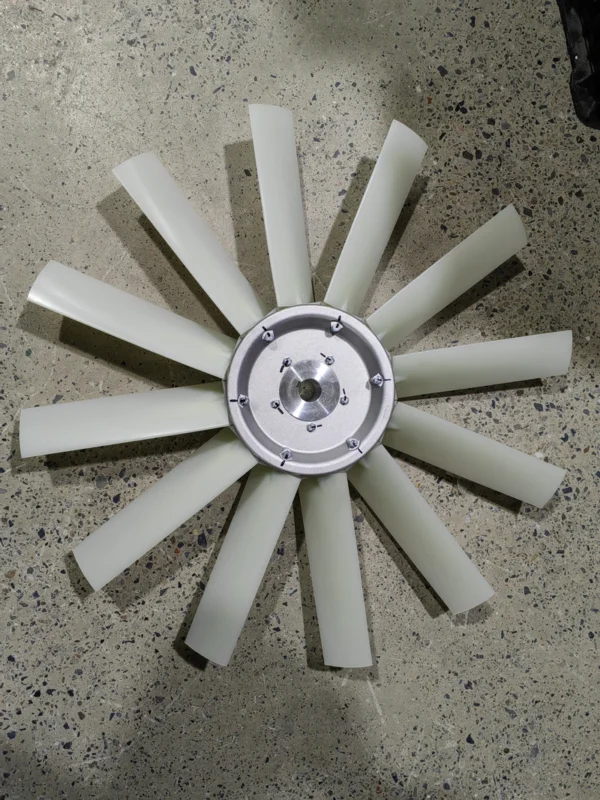
The Advantages of Plastic Axial Fans
Plastic axial fans are not merely “cheap” alternatives; they offer specific engineering benefits that metal cannot match, particularly in aerodynamics and chemical resistance.
1. Complex Aerodynamic Geometry
The injection molding process for plastic allows for much more intricate blade shapes than die-casting. Engineers can design curved, tapered, or winglet-style blades that optimize the lift-to-drag ratio. This often results in plastic fans having higher static pressure capabilities at lower RPMs compared to basic metal blade designs.
2. Chemical and Moisture Resilience
In environments where fans are exposed to high humidity, salt spray, or corrosive chemical fumes (such as in laboratory ventilation or marine applications), untreated aluminum can oxidize. PBT plastic is chemically inert and will not rust or corrode. For these specific use cases, a high-quality plastic axial fan often outlasts an expensive metal one.
3. Acoustic Profile
Plastic has inherent dampening properties. While metal blades can sometimes “ring” or amplify motor harmonics, plastic impellers tend to absorb micro-vibrations, resulting in a “softer” acoustic signature. This makes them preferable for office equipment, HVAC units in residential areas, and medical monitors.
Thermal Conductivity and Heat Dissipation
A common misconception is that metal fans are better because they “cool the air better.” While aluminum has high thermal conductivity, the fan’s primary job is convection (moving air), not conduction.
However, the aluminum housing does act as a secondary heat sink for the fan’s own motor. In high-duty cycle applications, an aluminum axial fan can dissipate the heat generated by its own copper windings more efficiently than a plastic housing, potentially extending the lifespan of the lubricant in the bearings.
Decision Framework: Which One Is Better for Your Project?
To choose the right fan, evaluate your project based on the following three pillars:
Choose Plastic If:
- You are designing for mass-produced consumer electronics where unit cost is a primary KPI.
- The device will be used in highly corrosive or humid environments.
- Weight is a critical factor (e.g., portable medical devices or aerospace instrumentation).
- Low noise is a priority for a 24/7 indoor environment.
Choose Aluminum If:
- The ambient operating temperature exceeds 65°C-70°C.
- The fan is exposed to the elements or potential physical abuse on a manufacturing floor.
- You require a non-combustible cooling solution for fire-safety compliance.
- The system requires EMI/RFI shielding to protect sensitive data or signals.
Manufacturing and Quality Standards
Regardless of the material, industrial-grade fans must meet global safety and performance standards. When sourcing, ensure the manufacturer provides:
- UL/cUL Certification: Specifically for flame retardancy (UL94-V0 for plastics).
- IP Ratings: (e.g., IP55 or IP68) for dust and water resistance, which is often more critical than the base material itself.
- TUV/CE Marking: For electrical safety compliance in European markets.
In the OEM/ODM landscape, selecting a supplier that offers both plastic and aluminum configurations—such as the specialized ranges at Colorfan-Dele—allows for consistent mounting footprints while tailoring the material to the specific environment of the end-user.
FAQ
Q: Can plastic fans be used in outdoor applications?
A: Yes, but you must ensure the plastic is UV-stabilized. Without UV protection, standard PBT can become brittle and crack when exposed to sunlight. Many engineers prefer aluminum for outdoor enclosures due to its natural resistance to UV degradation.
Q: Are aluminum fans always louder than plastic fans?
A: Not necessarily. While plastic dampens sound better, noise is primarily a function of blade design and RPM. A high-quality aluminum fan with a precision-balanced impeller can operate as quietly as a plastic fan of the same CFM rating.
Q: Which material is better for high-static pressure requirements?
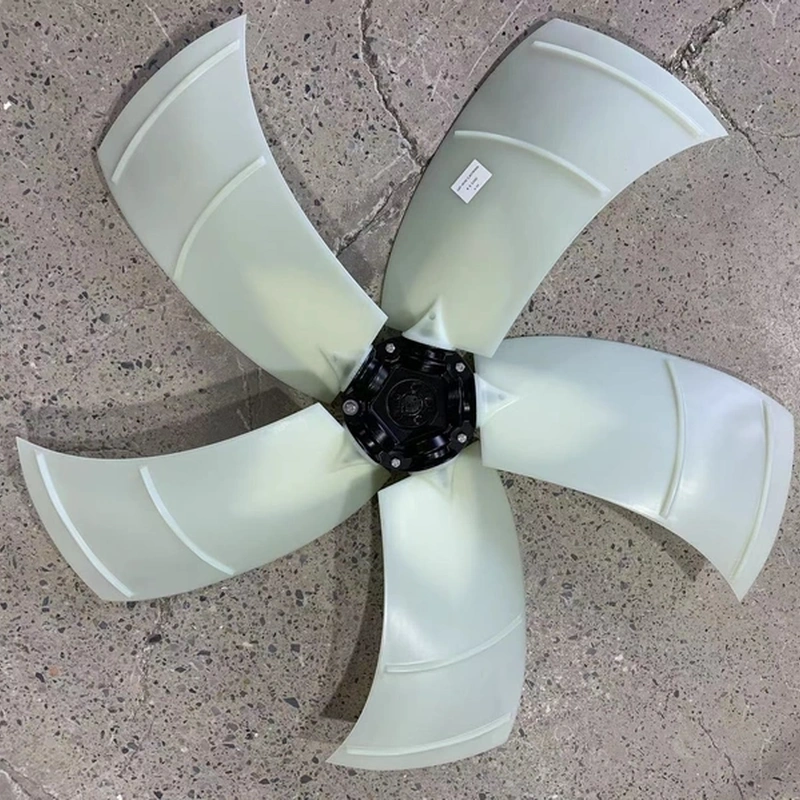
A: Plastic usually wins here. Because plastic injection molding allows for more complex “sickle” blade shapes, they can move air more effectively through dense filters or heat sinks where high back-pressure exists.
Q: Is there a significant price difference?
A: For standard 120mm fans, aluminum versions typically cost 30% to 50% more than plastic versions. This price gap increases with larger diameters due to the material cost of the aluminum alloy and the energy-intensive die-casting process.
Reference Sources
- Underwriters Laboratories (UL): Standard for Safety for Electric Fans (UL 507) – Guidelines on material flammability and enclosure requirements.
- ISO 12759-4: Fans — Efficiency classification for fans – Technical standards for fan performance measurement.
- ASHRAE (American Society of Heating, Refrigerating and Air-Conditioning Engineers): Thermal Guidelines for Data Processing Environments – Reference for temperature thresholds in electronics cooling.
- ASTM B85 / B85M: Standard Specification for Aluminum-Alloy Die Castings – Technical properties of aluminum alloys used in manufacturing.