

The axial fan diameter is one of the first selection variables engineers consider when matching a fan to an application. Diameter affects blade geometry, tip speed, footprint, and how a fan behaves against system static pressure; this guide explains common diameter bands from 145 mm to 2200 mm, practical applications for each band, and what to confirm with a supplier before requesting quotes.
Why diameter matters: physics and practical effects
For axial fans, diameter sets basic aerodynamic scale: a larger swept area increases potential volumetric flow at a given tip speed and blade angle, while smaller diameters usually need higher rotational speed to move the same volume. The industry guidance summarized in the U.S. Department of Energy fan-system reference explains how flow, speed and power are related by fan laws and why designers target the fan Best Efficiency Point (BEP) when possible [2]. Use diameter as a starting parameter, not the only one: blade count, chord, pitch, hub size and motor pairing are equally important.
Common diameter bands and typical applications
Below are pragmatic diameter bands used in procurement and how they map to applications. These descriptions are general engineering guidance and not supplier performance guarantees.
| Diameter band | Typical application examples | Design notes |
|---|---|---|
| 145 mm – 300 mm | Electronics chassis cooling, small ventilators, OEM blowers | High tip speeds; plastic blades common for low mass and lower noise |
| 300 mm – 600 mm | Enclosure ventilation, small machine-room ventilation, condensing unit fans | Balance between speed and swept area; mixed-material blades (nylon/plastic or aluminum) |
| 600 mm – 900 mm | Industrial process ventilation, cooling air for small-to-medium equipment rooms | Often alloy or aluminum blades; motor horsepower increases |
| 900 mm – 1500 mm | Large ventilation ducts, axial extraction fans for factories, HVAC rooftop fans | Lower RPM for similar flow; structural stiffness and balance become critical |
| 1500 mm – 2200 mm | High-volume industrial ventilation, some cooling-tower applications | Large hubs and mounting loads; transport and installation logistics important |
Sizing factors and how to interpret system needs
When moving from a target diameter to a vendor quote, assemble system inputs: required volume flow (Q), system static pressure (ΔP), air density (temperature/altitude), acceptable noise, and duty cycle. Use fan laws and the DOE fan-system cheat sheet as engineering guidance when comparing fan curves and expected power draw; the cheat sheet explains why matching the fan BEP reduces energy and mechanical stress [2].
Workplace-ventilation or contaminant-exhaust designs must also comply with local occupational-ventilation rules. For U.S. construction-activity guidance, OSHA outlines that exhaust fans and ducts should be designed and operated to maintain sufficient exhaust-air volume and to prevent harmful dispersion of contaminants [1]. When designing diameter and layout for hazard control, confirm local code references early in procurement.
Material, hub design and mounting considerations by diameter
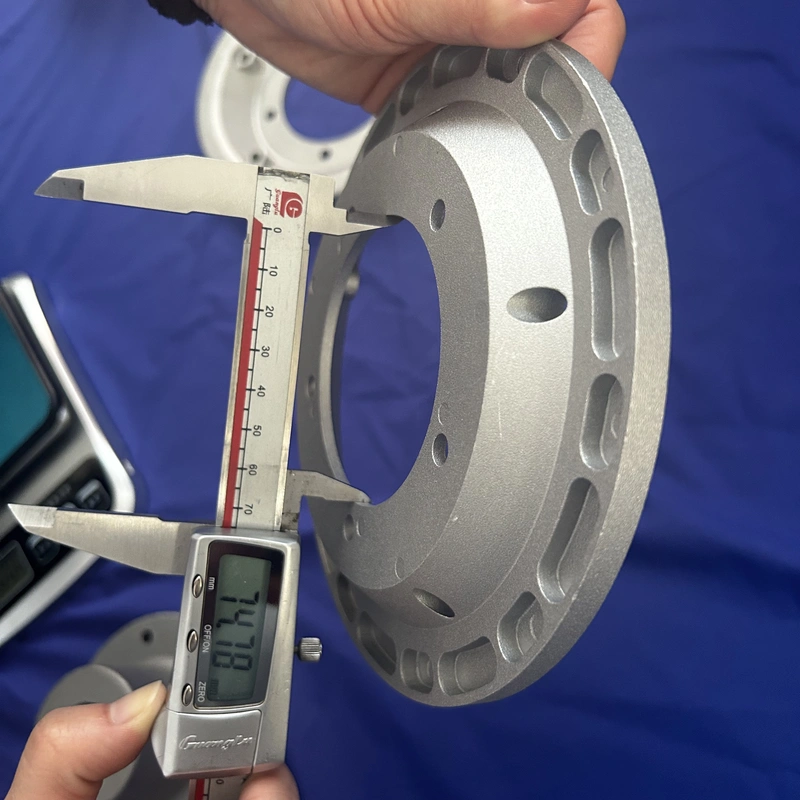
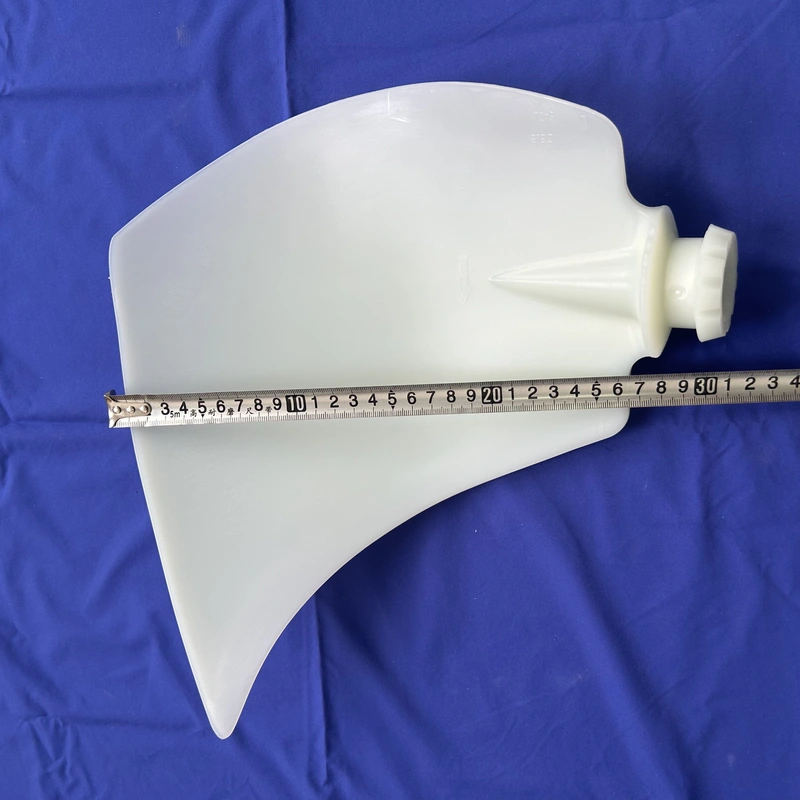
Material choice (plastic, nylon, aluminum, alloy) and hub architecture both scale with diameter. Larger diameters more often require metal blades and robust alloy hubs to control deflection and maintain balance; smaller diameters commonly use molded plastics where mass reduction and corrosion resistance matter. COLORFAN publishes component families including alloy hubs and several medium- and large-size blade models; see their parts overview for reference when discussing compatible hub/blade sets with a supplier (internal link) axial fan parts guide. For blade shape and material trade-offs see COLORFAN’s blade design overview axial fan blade designs.
Comparison: when to prefer larger diameter vs higher RPM
The right choice often comes down to installation envelope and allowable tip speed. Larger diameter at lower RPM typically produces the same volumetric flow with lower tip Mach number and reduced noise; smaller diameter at higher RPM can save installation space but increases centrifugal loads on blades. Use fan curves from suppliers to compare operating points rather than relying on diameter alone.
Supplier facts (what COLORFAN lists)
- COLORFAN lists industrial axial fans and fan parts on its products pages, including alloy hubs and multiple blade models covering plastic nylon and aluminum options. Example listed components include alloy hubs for axial fan series 10H, 8W, 8H, 6Z and medium-size blade model references such as R4Z and P5Z available on their product pages.
- These product-page listings confirm component families (hubs, blades, bushing options) but do not by themselves provide performance curves, certifications, or lead-time information — those require RFQ confirmation from COLORFAN.
Supplier / RFQ checklist
Before asking for a formal quote, collect this minimum data and flag items that require supplier confirmation:
- Required operating point: volumetric flow (m3/h or CFM) and system static pressure (Pa or in. w.g.).
- Air conditions: temperature, altitude or density correction factor.
- Preferred diameter band (145–300 mm, 300–600 mm, 600–900 mm, 900–1500 mm, 1500–2200 mm).
- Material preference (plastic/nylon, aluminum, alloy); request supplier confirmation of available blade part numbers and compatible hubs.
- Mounting and hub bore details: shaft diameter, keyway, flange or direct-drive requirements.
- Electrical requirements: motor type, supply voltage and VFD compatibility (if speed control is required). Confirm with supplier whether the fan has been tested with VFDs.
- Required certifications or approvals (e.g., ATEX, marine, UL): mark as “RFQ confirmation required” because the supplier product listing alone does not prove certifications.
- Logistics constraints: maximum transport length/weight and on-site handling — confirm large-diameter shipping and installation support.
Comparison table: quick procurement trade-offs
| Metric | Smaller diameters | Larger diameters |
|---|---|---|
| Installation envelope | Smaller footprint, higher RPM | Larger footprint, lower RPM |
| Structural demands | Lower bending moment on blades | Higher hub and bearing loads; stronger hubs required |
| Noise | Potentially higher tonal noise from tip speed | Lower tip speed for same flow often reduces noise |
Frequently asked questions
How do I convert a target CFM to a recommended diameter?
Convert target CFM to a required swept-area and estimate target tip speed using the DOE fan-system guidance and fan laws; then iterate with manufacturer fan curves to find a diameter that places the operating point near the BEP [2].
Can I substitute a larger diameter fan for a smaller one to save energy?
Not without checking fan curves and system resistance. A larger diameter can reduce required RPM, but motor efficiency, control strategy, and system curve interaction determine actual energy use. Request fan-curve comparisons from suppliers.
Are the COLORFAN product pages sufficient to specify a fan?
COLORFAN’s pages document available component families (blades, hubs, material options) and product models, which is useful for identifying compatible parts. However, performance curves, certifications, and lead times are not listed on product-summary pages and must be confirmed in an RFQ.
How should I account for workplace-ventilation safety requirements?
Designs intended as engineering controls for contaminants must meet applicable occupational-ventilation standards. For U.S. construction activities, OSHA requires that ventilation systems be designed and operated to maintain adequate exhaust volume and to prevent harmful dispersion of contaminants [1]. Always cross-check local regulations.
Conclusion and next steps
Use diameter bands as a starting filter, then collect operating-point data and the RFQ checklist items above. For component options and compatible blade/hub families, review COLORFAN’s product and parts pages and then submit the RFQ checklist to the supplier so they can provide performance curves, certifications, and transport/installation details. If you want, COLORFAN’s product pages are a practical starting point for matching part numbers and materials: see their products overview and parts guide for component-level details COLORFAN products and fan parts guide. Contact the supplier with the RFQ checklist items to get validated fan curves and formal quotations.
References
[1] Occupational Safety and Health Administration, 1926.57 – Ventilation: https://www.osha.gov/laws-regs/regulations/standardnumber/1926/1926.57
[2] U.S. Department of Energy, Fan System Cheat Sheet: https://betterbuildingssolutioncenter.energy.gov/sites/default/files/attachments/Better%20Plants%20-%20Fan%20System%20Cheat%20Sheet.pdf