

Axial fans are one of the most common mechanical devices used to move air in industrial and commercial systems. This article explains, step-by-step, how an axial fan converts rotational energy into airflow, what variables control that airflow, and what to check with a supplier before you request a quote.
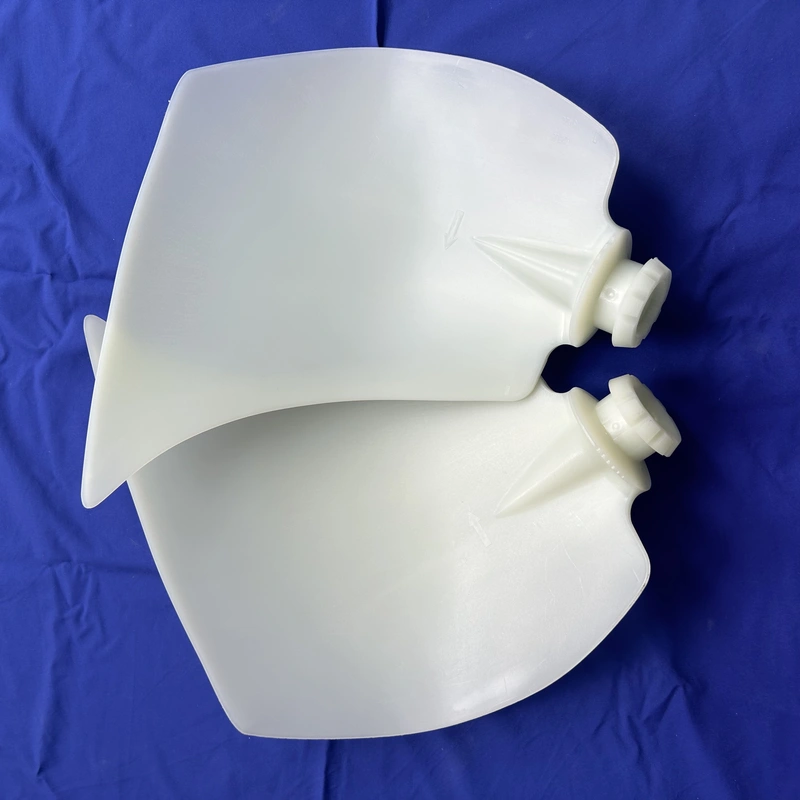
Basic principle: converting rotation into axial flow
An axial fan produces flow primarily by accelerating air in the axial direction (parallel to the fan shaft). As the impeller (hub + blades) rotates, the blades impart momentum to the air. The pressure difference created across the blade row drives a bulk flow from the inlet side to the outlet side. In simple terms: rotating blades increase air velocity; system pressure differences and downstream conditions convert that velocity into the steady volumetric flow the system needs.
Step-by-step physics of airflow generation
Key steps in the process are:
- Blade rotation creates a tangential and axial motion vector in the nearby air; the blade geometry (twist, chord, pitch) determines how much axial component results.
- The accelerated air forms a wake and pressure field; a higher exit velocity corresponds to a higher kinetic energy imparted to the air.
- Downstream components and system resistance convert part of that kinetic energy into a useful pressure rise (static pressure) that sustains flow against duct losses or equipment resistance.
- The operating point is where the fan’s pressure–flow characteristic meets the system resistance curve; small changes in speed or system resistance shift the operating point.
How blade and hub geometry affect airflow
Blade profile, pitch, number of blades, and hub size influence the airflow vs. pressure behavior. For example, a larger blade chord and greater pitch typically increase the air moved per revolution but also increase the torque and required input power. Hub diameter and blade sweep alter the effective flow area and the distribution of velocities across the radius.
Fan laws and what they imply
Fan-affinity laws link speed, diameter, flow, pressure and power for geometrically similar fans: flow is roughly proportional to speed and diameter, pressure scales with the square of speed (or diameter), and power scales with the cube of speed. These relationships are widely used for estimating how changes in speed or size affect performance; they are engineering approximations and should be validated with manufacturer data or testing when precise values are required [1].
Common control and efficiency considerations
Control options such as variable-frequency drives (VFDs) let operators change rotor speed to move the operating point closer to the fan’s best-efficiency region, reducing energy use for many systems. Air density (temperature/altitude) also changes effective performance; commonly used correction factors should be applied for precise sizing [1].
Axial vs. other fan types (quick comparison)
| Characteristic | Axial fan | Centrifugal fan |
|---|---|---|
| Typical application | High flow, low-to-moderate static pressure | Moderate flow, higher static pressure |
| Typical efficiency behavior | Best efficiency near a distinct operating point; sensitive to speed changes | Often better at sustaining pressure against ductwork |
| Drive and control | Commonly used with direct drives or VFDs for airflow control | Also used with VFDs; may require different casing/installation |
These distinctions are general engineering guidance and should be validated for each project; for ventilation where contaminant control is required, system design and discharge must follow applicable safety standards [2].
Supplier-page facts (what COLORFAN lists)
- COLORFAN lists industrial axial fans and fan parts, including axial fan hubs and axial fan blades (example entries: Alloy hub for axial fan 10H, 8W, 8H, 6Z, 6W, 6H, 3W with shaft).
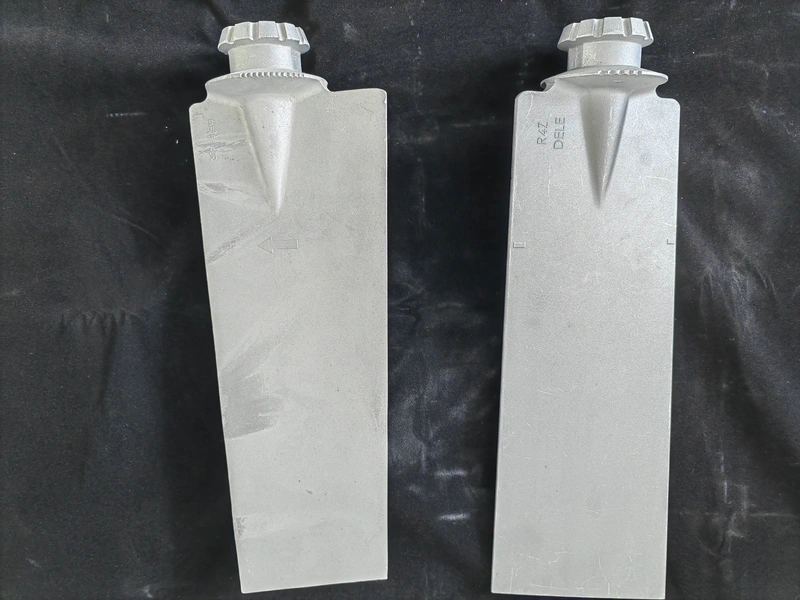
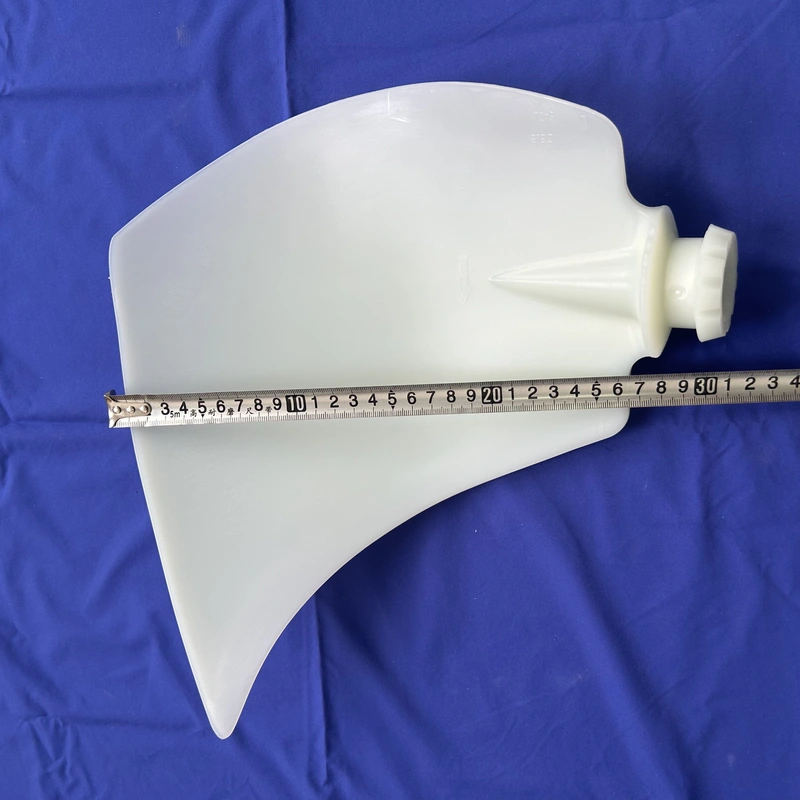
- COLORFAN product entries include blade models such as Medium Size Plastic Axial Fan Blade S4Z, Medium Size Alloy Axial Fan Blade R4Z, Medium Size Plastic Nylon Axial Fan Blade P5Z, K6Z, Large Size Aluminum Axial Fan Blade 9W, and others. See the supplier product pages for product families and naming conventions.
- These listings identify component families (hubs, blades) but do not provide performance curves, certifications, or application-specific approvals on the public product pages.
For more product details see COLORFAN’s product library: COLORFAN products and the selection guide: Axial fan working principle & selection guide.
RFQ confirmation items (what to request from supplier)
Before ordering, confirm the following items with the supplier. Items marked “RFQ confirmation required” indicate the published pages do not supply those specifics and must be confirmed in writing.
- Required airflow (m3/h or CFM) — RFQ confirmation required
- Required static pressure (Pa or in.wg) — RFQ confirmation required
- Operating point (system curve or duct map) — RFQ confirmation required
- Exact fan model or blade/hub part numbers (e.g., R4Z, S4Z, 9W) — supplier pages list families but confirm exact part fits: RFQ confirmation required
- Material and coating requirements (aluminum, nylon, plastic, alloy) — RFQ confirmation required if environmental exposure is severe
- Drive type and speed (rpm) or VFD compatibility — RFQ confirmation required
- Mounting and dimensional drawings (bolt patterns, shaft size) — RFQ confirmation required
- Testing and acceptance criteria (performance curve, test protocol) — RFQ confirmation required
- Required certifications or hazardous-area ratings (if applicable) — RFQ confirmation required
Practical steps to verify airflow on an installed fan
Measure actual flow with calibrated instruments or compare measured static and total pressures to the manufacturer’s test curve to confirm performance. If ventilation is used to control hazardous contaminants, follow regulatory guidance on design and discharge to prevent contaminant spread [2].
Frequently asked questions
How is axial fan airflow different from duct blower airflow?
Axial fans accelerate air primarily in the axial direction and are commonly used where large flow rates with modest pressure are needed; duct blowers (centrifugal types) are often selected when higher static pressures are required. Confirm the required operating point for your ductwork before selecting type [1].
Can I use a VFD to control axial fan airflow?
Yes. Controlling rotational speed with a VFD is a common method to adjust airflow and improve system efficiency, but ensure motor and drive compatibility and confirm control strategy with your supplier — RFQ confirmation required for specific compatibility details.
Do blade material choices affect airflow?
Material primarily affects mechanical properties (strength, weight, corrosion resistance). Blade geometry and clearances determine airflow; however, material choices can limit achievable blade shapes and hub connections, so list material requirements in the RFQ.
When do I need performance curves?
Always request manufacturer performance curves for the exact model and operating conditions before final selection and installation — RFQ confirmation required.
Who should verify ventilation for hazardous fumes?
Design and verification should follow local regulations and standards; in the U.S., OSHA ventilation requirements describe design and operation obligations when ventilation controls hazardous substances [2].
Conclusion and next steps
Axial fans generate airflow by converting rotational energy to axial momentum through blade geometry and hub design; the installed operating point depends on system resistance and control strategy. For component options and part families, review COLORFAN’s product pages and confirm the RFQ checklist items above before ordering. If you would like supplier confirmation for specific performance, request a quotation that includes test curves, dimensional drawings and acceptance testing.
Related COLORFAN resources: Axial fan parts guide and Plastic vs aluminum selection guide.
References
- [1] Fan System Cheat Sheet, U.S. Department of Energy, Advanced Manufacturing Office — guidance on fan laws, best-efficiency operation, and control strategies.
- [2] 1926.57 – Ventilation, Occupational Safety and Health Administration, U.S. Department of Labor — regulatory guidance when ventilation controls hazardous substances.