

An industrial ventilation system fan is critical for maintaining safe air quality in modern manufacturing facilities. Among various available designs, the axial fan remains the most widely deployed solution for high-volume air movement. These fans operate by drawing air parallel to the shaft and forcing it out in the exact same direction.
This straightforward, straight-through design ensures extremely rapid air displacement. Facility managers rely on these systems to extract harmful fumes, control humidity, and regulate dangerous heat levels. Understanding their fundamental engineering helps operators select the optimal equipment for their specific industrial infrastructure.
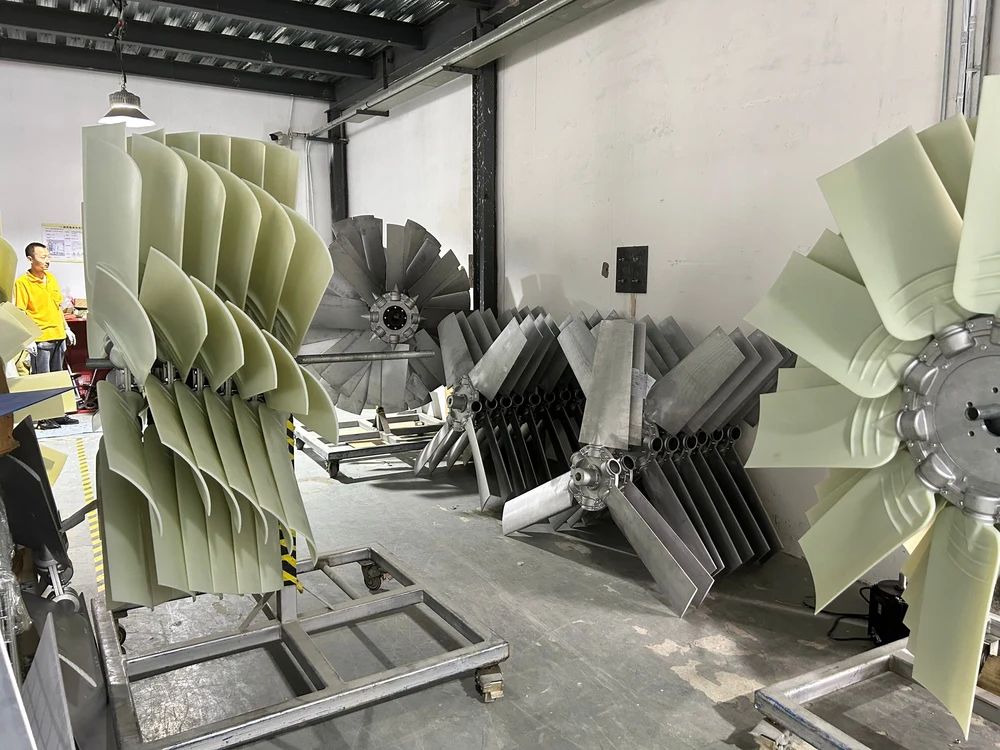
The Aerodynamics Behind the Industrial Ventilation System Fan
An industrial ventilation system fan must move massive volumes of air continuously. The axial fan design is the undisputed engineering standard for this demanding task. It relies on fundamental aerodynamic principles to generate efficient, forward-moving airflow.
The spinning blades act exactly like the wings of an airplane. They generate a localized pressure drop as they swiftly cut through the air. This continuous pressure differential forces ambient air forward with remarkable consistency.
Axial fans prioritize high airflow volumes over high static pressure. This specific characteristic makes them ideal for open-floor factory environments. They operate with exceptional energy efficiency during heavy, continuous duty cycles.
Component Synergy: Hubs, Bushings, and Blades
A reliable industrial ventilation system fan is much more than a simple electric motor. The structural integrity relies heavily on precisely machined external components. Hubs, bushings, and individual blades must work together in perfect unison.
The central axial fan hub serves as the primary structural anchor. It must withstand immense centrifugal forces during high-speed rotation. High-grade aluminum or reinforced industrial polymers are typically utilized here to prevent catastrophic failure.
Bushings provide the critical interface between the motor shaft and the central hub. They reduce mechanical play and strictly minimize rotational vibration. Excessive vibration is the primary cause of premature bearing failure in industrial cooling equipment.
If a single axial fan blade becomes unbalanced, the entire system rapidly degrades. Quality manufacturers test these assembled parts under strict dynamic tolerance standards. This ensures maximum operational longevity in harsh manufacturing setups.
Key Material and Design Configurations
Selecting the correct industrial ventilation system fan requires analyzing specific environmental threats. Different materials react uniquely to heat, ambient moisture, and harsh chemical exposure. Manufacturers provide multiple blade configurations to mitigate these very specific operational risks.
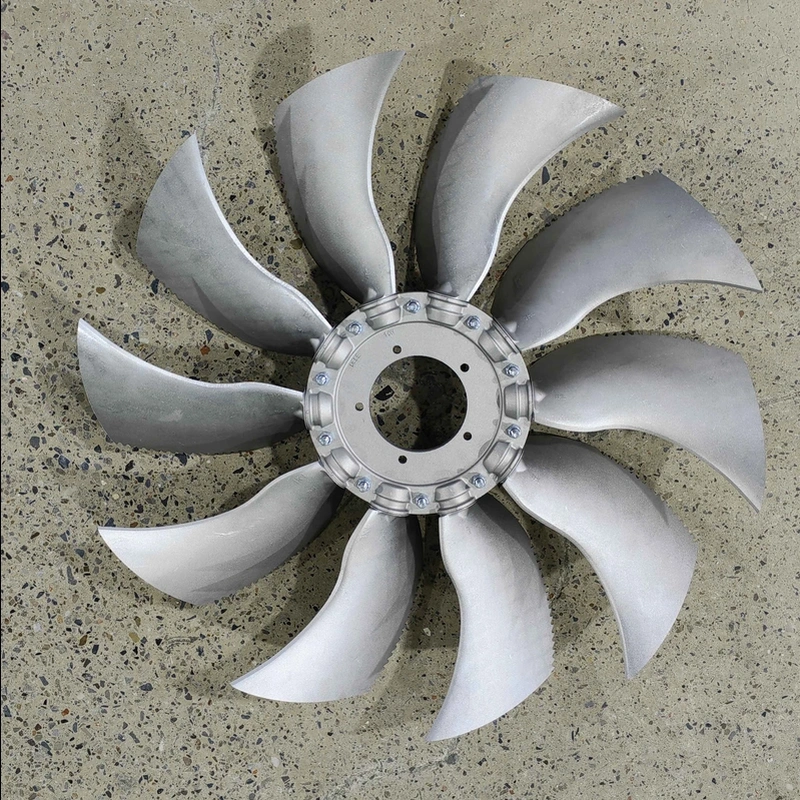
Aluminum axial fans excel in extreme thermal environments. Metal blades will not warp when exposed to high ambient heat. However, they are inherently heavier and require slightly more robust motor pairings.
Plastic axial fans are the preferred choice for highly corrosive atmospheres. Specialized polymers easily resist chemical degradation and extreme ambient humidity. Their lightweight nature also significantly reduces the starting torque required by the electric motor.
Blade geometry heavily dictates overall acoustic and aerodynamic fan performance. Sickle axial fans, such as the 7XL design, feature unique swept-back profiles. This curvature drastically reduces tip turbulence and lowers operational noise levels. Standard straight blades, like the P4Z series, offer rugged reliability for general applications.
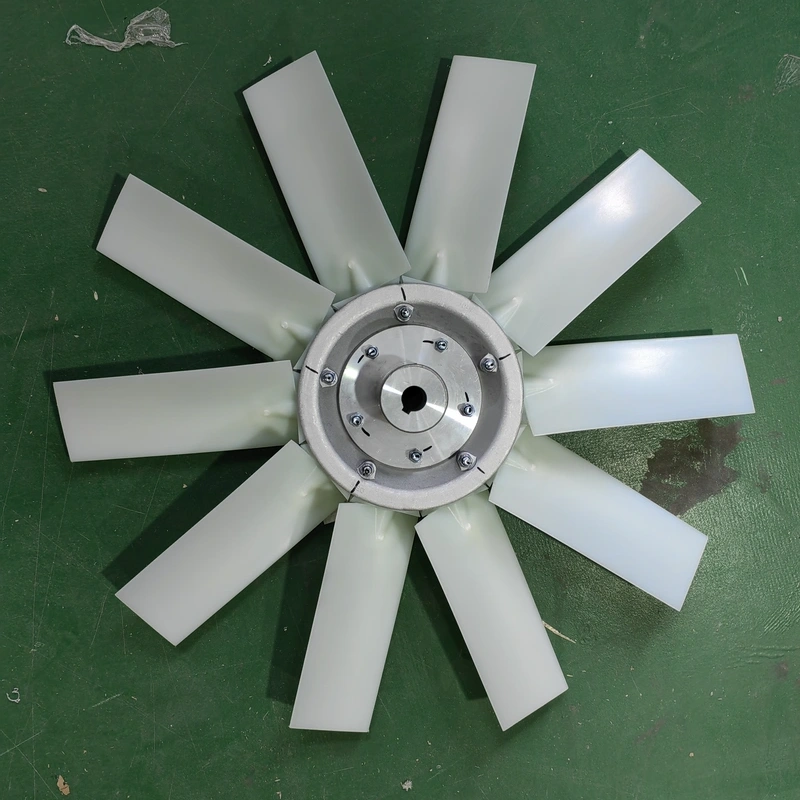
Material Comparison Table:
| Feature | Aluminum Blades | Plastic Blades |
| Temperature Resistance | Excellent | Moderate |
| Corrosion Resistance | Low to Moderate | Excellent |
| Component Weight | Heavier | Lightweight |
| Operational Noise | Slightly Higher | Generally Quieter |
| Ideal Application | Heat extraction | Chemical ventilation |
The Impact of Motor Selection on Fan Performance
An industrial ventilation system fan relies entirely on its paired electrical motor. Motor efficiency directly dictates the long-term cost of continuous facility ventilation operations. Direct-drive and belt-drive motors represent the two primary installation configurations.
Direct-drive motors attach directly to the main axial fan hub. This simplified setup entirely eliminates the friction losses associated with physical belts. It requires significantly less mechanical maintenance over its entire operational lifespan.
Belt-drive motors offer distinct advantages for specialized adjustable speed requirements. They allow operators to modify the fan speed via simple physical pulley changes. This is highly useful when exact airflow adjustments are periodically necessary.
However, belt-driven systems require routine tensioning and frequent visual inspections. In highly inaccessible locations, direct-drive fans are usually the preferred engineering choice. The specific physical application always determines the optimal motor strategy.
Real-World Applications for Industrial Airflow
Different sectors rely on the industrial ventilation system fan for distinct operational purposes. Strict application matching ensures optimal cooling performance and strict safety compliance.
In large-volume production, heavy machinery generates significant residual heat. Wall-mounted axial fans rapidly exhaust this hot air outward into the environment. This continuous thermal exchange prevents critical equipment from overheating during summer months.
Agricultural storage facilities require constant internal moisture control. High-capacity axial fans prevent severe condensation from accumulating on stored goods. Consistent airflow effectively limits the unchecked growth of dangerous mold and mildew.
Hazardous chemical processing plants face a distinctly different engineering challenge. These explosive environments require certified explosion-proof axial fans to guarantee safety. Models like the P5Z series utilize non-sparking materials to prevent accidental fume ignition.
Evaluating High-Volume Exhaust Fan Efficiency
Engineers must properly evaluate several key metrics before installing a new system. Total airflow is universally measured in cubic feet per minute (CFM). An industrial ventilation system fan must strictly meet the baseline CFM requirements of the facility.
Static pressure represents another highly critical operational metric. Axial fans perform best when external static pressure remains relatively low. If long, complex ductwork is involved, centrifugal fans might be a necessary alternative.
Energy consumption directly impacts the overall monthly operational budget. Modern axial fans leverage optimized blade pitches to reduce internal electrical drag. This enhanced efficiency becomes highly visible during continuous 24/7 manufacturing operations.
Industry Standards and Quality Verification
Adherence to strict global standards guarantees baseline fan safety and long-term performance. Organizations like AMCA and ISO dictate rigid testing protocols for industrial equipment. Facilities must only install fully compliant hardware to avoid serious legal liability.
ISO 5801 outlines the specific methods for evaluating true fan performance. It standardizes exactly how manufacturers calculate dynamic airflow and pressure curves. This transparency allows mechanical engineers to compare different fan models accurately.
Vibration testing is heavily monitored during the final manufacturing workflow. The ISO 14694 standard classifies acceptable vibration severity levels for industrial fans. Trusted OEM providers dynamically balance every impeller to meet these baseline tolerances.
Sourcing Your Ventilation Infrastructure
Evaluating the right industrial ventilation system fan requires partnering with a trusted manufacturing expert. COLORFAN specializes in designing high-end axial cooling solutions for diverse industrial applications. They provide comprehensive options spanning from 6W to 9W large-size models.
Their detailed product catalog includes precision-engineered aluminum and plastic blade configurations. For specialized deployments, their explosion-proof P5Z series offers fully certified environmental safety. Project managers can also source individual replacement parts, including robust hubs and specialized bushings.
By analyzing the specific physical requirements of your environment, the optimal components are selected. Working closely with established experts ensures your ventilation infrastructure remains highly efficient. Proper upfront planning minimizes future downtime and maximizes the lifespan of your cooling equipment.
Frequently Asked Questions
What is the primary function of an industrial ventilation system fan?
The primary function is to quickly move massive volumes of air across a physical space. They replace contaminated or heated indoor air with fresh outdoor air. This process regulates temperature, extracts toxic fumes, and maintains safe working conditions.
What is the main difference between axial and centrifugal fans?
Axial fans pull air parallel to the rotating motor shaft. Centrifugal fans draw air into a central housing and expel it at a 90-degree angle. Axial models excel at high-volume airflow, while centrifugal models generate higher static pressure.
Why are sickle blades used in some axial fans?
Sickle blades feature a highly specialized swept-back geometric design. This specific curvature significantly reduces turbulent air separation at the blade tips. It substantially lowers operational noise while maintaining highly efficient air delivery.
How do engineers measure industrial fan performance?
Performance is primarily measured by tracking airflow volume and static pressure. Airflow volume is calculated in cubic feet per minute (CFM). Static pressure measures the resistance the fan must overcome to move the air effectively.
What specific features make an axial fan explosion-proof?
Explosion-proof fans are constructed using specialized non-sparking materials, typically cast aluminum or treated plastics. The electrical motors are fully enclosed and heavily sealed. This completely prevents internal electrical sparks from igniting external combustible dust or gases.
When should plastic blades be chosen over aluminum blades?
Plastic blades are best for environments exposed to corrosive chemicals or extreme humidity. They resist degrading, rust, and chemical pitting far better than standard metals. Their lighter weight also reduces the initial physical strain on the starting motor.
Reference Sources
- ISO 5801:2017 – Fans — Performance testing using standardized airways. International Organization for Standardization.
- ISO 14694:2003 – Industrial fans — Specifications for balance quality and vibration levels. International Organization for Standardization.
- AMCA Publication 210 – Laboratory Methods of Testing Fans for Certified Aerodynamic Performance Rating. Air Movement and Control Association International.