

Axial fan RPM (revolutions per minute) is a core variable that drives an axial fan’s airflow, static pressure capability and power consumption. This article explains the engineering relationships that tie fan speed to performance, how to read those relationships when you specify fans, and which items to confirm with a supplier before an RFQ.
How RPM relates to flow, pressure and power (fan laws)
In axial fans the classical fan laws relate rotation speed (N) to flow (Q), pressure (H) and power (P). In summary: if you change speed while keeping the geometry constant, flow scales approximately with speed (Q ∝ N), pressure or head scales with the square of speed (H ∝ N²) and power scales with the cube of speed (P ∝ N³). These relationships are central when estimating the effect of an RPM change on system performance and energy use; they are summarized in DOE fan-system guidance and used for practical selections such as comparing fixed-speed operation to variable-frequency-drive control [2].
Practical implications of changing RPM
Because power can rise much faster than flow when RPM increases (cube law), modest speed increases can produce disproportionately large energy and noise impacts. Conversely, slowing a fan a small amount often reduces power consumption markedly. This is why many industrial systems use variable-frequency drives (VFDs) to adjust RPM to match process needs rather than throttling airflow downstream [2].
Noise, vibration and mechanical limits
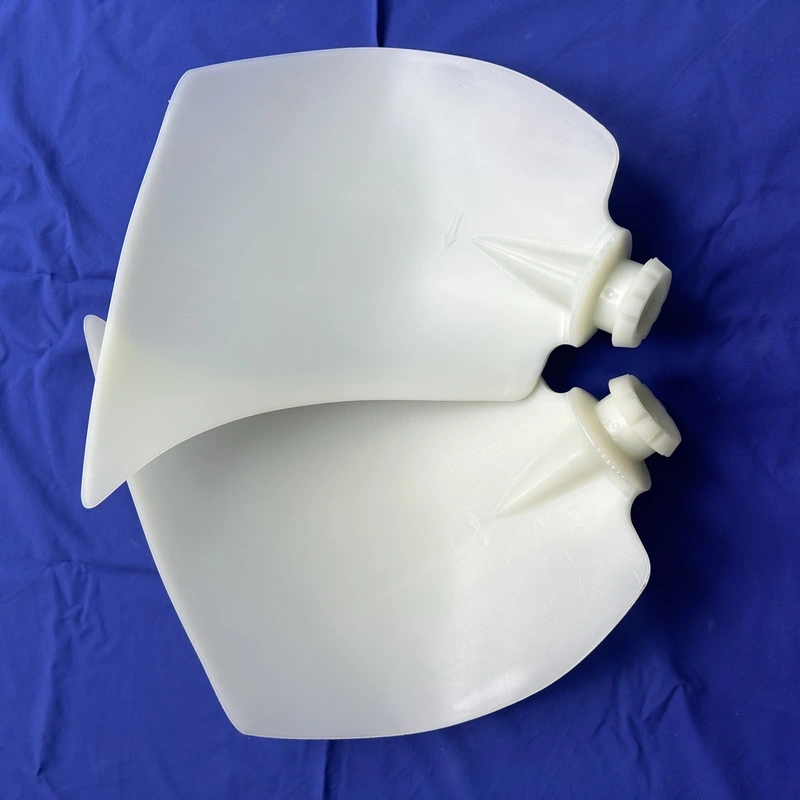
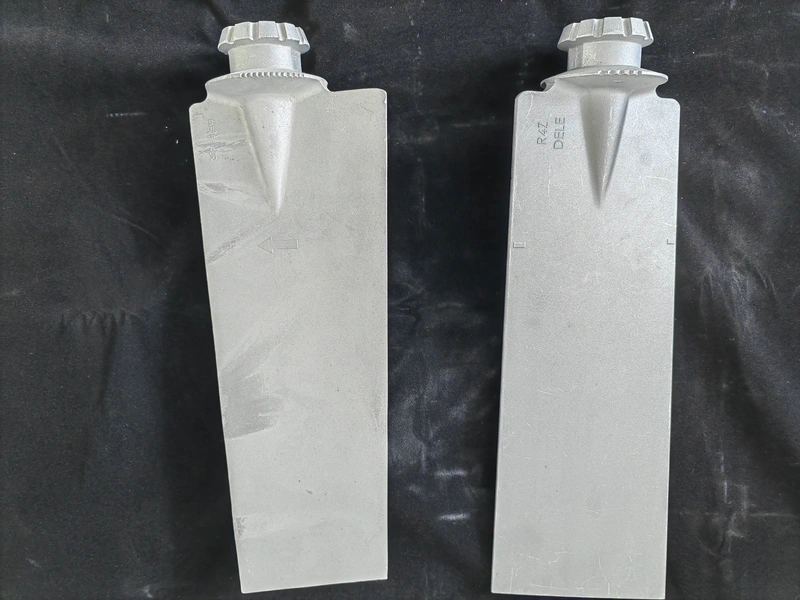
Higher RPM increases aerodynamic noise and can excite structural resonances in blades, hubs and mounts. Blade material, hub design and balance quality all influence the maximum safe operating RPM. For any specific blade/hub assembly the supplier must confirm permitted RPM, given that some blades are molded plastics and others are aluminum or alloy; each material has different fatigue and temperature characteristics.
Selecting RPM for system performance and safety
When you specify RPM for an application, consider these topics:
- Required volumetric flow and static pressure at operating conditions (air density, temperature, altitude).
- Target energy consumption and whether VFD control is planned.
- Acoustic limits in the environment and vibration-mitigation needs.
- Material and mechanical compatibility between blades, hub and motor coupling.
For workplace ventilation or contaminant control, the installation and operation must also follow applicable ventilation design and discharge rules; U.S. OSHA ventilation standards explain design and discharge responsibilities when ventilation is used to control hazardous substances in construction and similar settings [1].
Supplier facts: what COLORFAN product pages document
- COLORFAN lists industrial axial fans and discrete fan parts, including axial fan hubs and axial fan blades (examples: Alloy hub models 10H, 8W, 8H, 6Z, 6W, 6H, 3W; and multiple plastic and aluminum axial fan blade families such as Medium Size Alloy Axial Fan Blade R4Z and Large Size Aluminum Axial Fan Blade 9W) as product entries on product pages.
- The supplier site includes technical articles useful for selection, for example pages on axial flow fan working principles, blade design and static-pressure system sizing.
Comparison table: RPM ranges and typical effects (conceptual)
| Relative RPM | Typical flow effect | Static pressure | Power & energy | Typical applications |
|---|---|---|---|---|
| Low RPM | Lower volumetric flow | Lower pressure | Low power draw | Ventilation, free-blowing exhaust |
| Medium RPM | Moderate flow | Moderate static pressure capability | Moderate power | Process ventilation, axial cooling |
| High RPM | High flow | High static pressure capacity | High power and noise | High-performance cooling, some industrial extraction |
Independent engineering guidance (best-practice notes)
- Use the fan laws to estimate how a speed change will affect system flow and power, but validate with manufacturer performance curves at the intended operating point because geometry and inlet conditions alter results [2].
- Specify RPM together with target static pressure and airflow so the supplier can select a matching blade/hub and motor package; RPM alone is not a complete selection parameter.
- When controlling airflow for energy savings, prefer VFDs or variable-speed drives over mechanical throttling to preserve fan and system efficiency [2].
RFQ and supplier checklist (items to supply or confirm)
Before issuing an RFQ, compile this information. Items marked with “(RFQ confirm)” require explicit confirmation from COLORFAN or the chosen supplier.
- Required volumetric flow (m3/h or CFM) at operating conditions and target static pressure (Pa or inH2O).
- Desired operating RPM or RPM range and whether variable-speed control is planned.
- Blade model or family if known (e.g., refer to COLORFAN blade families such as R4Z or 9W) and hub model if already selected. (RFQ confirm: compatibility between named blade and hub).
- Material preference (plastic nylon, aluminum, alloy) and maximum operating temperature. (RFQ confirm: material RPM and temperature limits).
- Coupling and shaft details, balance/tolerance requirements and any vibration specification. (RFQ confirm: hub bore, keyway and shaft fit).
- Environmental conditions (corrosive atmosphere, dust, explosion risk). (RFQ confirm: suitability for hazardous areas and required certifications).
- Required certifications or test reports (e.g., ISO balance grade, material certificates). (RFQ confirm: availability of specific certificates).
- Duty cycle, expected service life and maintenance access considerations.
COLORFAN product pages that describe blade and hub families can help identify candidate parts. For example, see the COLORFAN technical page on axial fan blade design and the product listing for an alloy hub for axial fan 8H when you need a hub reference. Also review the overview on axial flow fan working principles for selection context.
Frequently asked questions (FAQ)
How much does increasing RPM change power consumption?
Using the fan laws as a guide, power rises faster than flow when speed increases (power scales roughly with the cube of speed). Exact energy change depends on the fan’s efficiency and the system curve; verify with manufacturer performance curves and motor data [2].
Can I run any blade at higher RPM to get more flow?
No. Blade material, geometry and hub design set mechanical limits. Running a blade beyond its rated RPM increases risk of fatigue failure and imbalance; confirm rated RPM and balance grade with the supplier (RFQ confirm).
Is it better to change RPM or to throttle airflow downstream?
Adjusting RPM with a VFD usually preserves higher fan efficiency across a range of flows compared with mechanical throttling, which can cause higher system losses [2].
What information should I include in an RFQ focused on RPM?
Include required flow and static pressure at operating conditions, RPM or speed range, duty cycle, material preferences, environmental conditions and any certification needs. Items like hub bore size, keyway and exact blade model should be confirmed with the supplier (RFQ confirm).
Conclusion and next steps
Axial fan RPM is a primary lever for airflow, pressure and power. Use the fan laws as a planning tool, but always request manufacturer performance curves and mechanical limits for the chosen blade/hub combination. To proceed, prepare the RFQ checklist above and contact COLORFAN with your operating point and mechanical interface details so they can confirm part compatibility and rated RPMs.
Related COLORFAN resources: see the supplier’s pages on axial fan blade design and the axial flow fan working principles for more context.
References
- [1] OSHA — 1926.57 Ventilation (U.S. Department of Labor): guidance on design and discharge requirements where ventilation controls hazardous substances.
- [2] U.S. Department of Energy — Fan System Cheat Sheet: summaries of fan laws, control methods and selection considerations.