

Industrial manufacturing environments frequently process volatile gases, combustible dust, or flammable chemical vapors. Standard ventilation equipment poses severe ignition risks due to motor sparking and static electricity buildup. Preventing these catastrophic events requires highly specialized aerodynamic equipment.
An explosion proof axial fan is designed specifically to operate safely within these combustible atmospheres. It prevents internal electrical faults or mechanical friction from igniting the surrounding hazardous air. The entire system relies on strict mechanical tolerances and advanced electrical isolation.
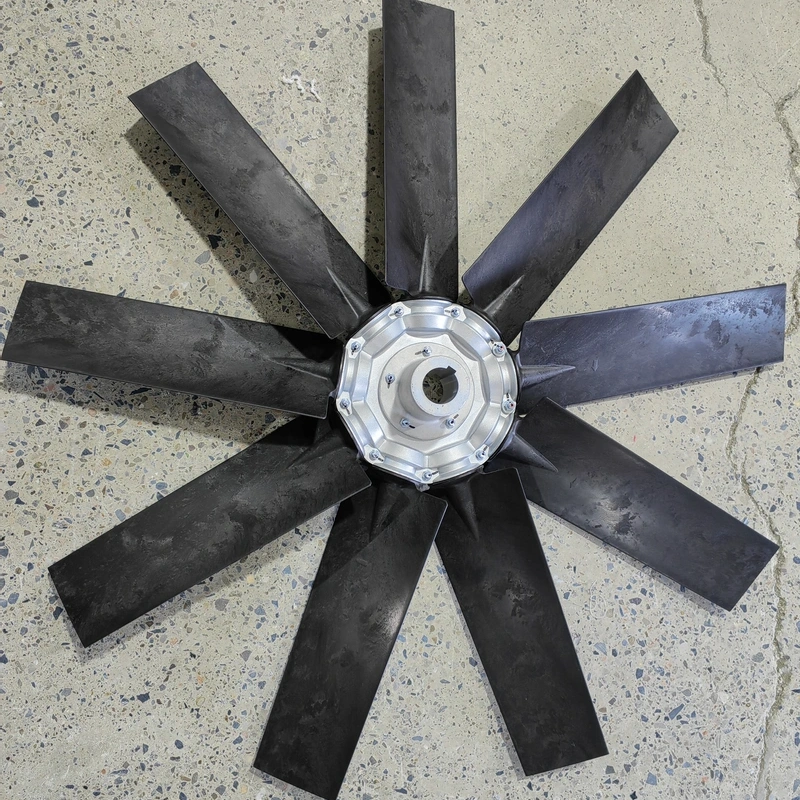
The Physics of Airborne Hazard Dilution
Toxic or explosive gases accumulate rapidly in poorly ventilated industrial zones. Heavy chemical vapors settle near the floor, while lighter volatile gases rise toward the ceiling. Continuous, high-velocity airflow is required to disrupt these dangerous gas pockets effectively.
These specialized fans force massive volumes of air parallel to the rotational axis. This directional thrust dilutes volatile chemical concentrations well below their Lower Explosive Limit. Maintaining the surrounding atmosphere below this strict limit is the primary defense against spontaneous ignition.
Structural Clearances and Mechanical Tolerances
Friction between moving metal parts is a leading cause of catastrophic industrial fires. Precision engineering ensures that rotating impellers never contact the outer cylindrical casing. Manufacturing tolerances for hazardous area fans are exceptionally tight and continuously monitored.
Engineers must accurately account for the thermal expansion of metals during continuous industrial operation. If ambient environmental temperatures rise, the metallic impeller blades will expand slightly. Sufficient clearance must be maintained constantly to prevent metallic scraping and subsequent spark generation.
Motor Isolation and Flameproof Enclosures
The electric motor driving the impeller represents the highest potential ignition risk. Standard motors generate internal sparks during normal phase switching or mechanical brush contact. Hazardous area designs utilize hermetically sealed, heavy-duty enclosures to isolate these internal electrical arcs.
These thick metallic enclosures are mathematically engineered to contain an internal explosion safely. If explosive ambient gases penetrate the motor housing and ignite, the external casing will not rupture. The resulting hot gases cool rapidly as they escape through specially machined flame paths.
By the time escaping gases reach the external atmosphere, they lack the thermal energy to cause ignition. The motor exterior also features extensive cooling fins for active thermal regulation. This prevents the outer surface temperature from igniting surrounding airborne dust or chemical vapor.
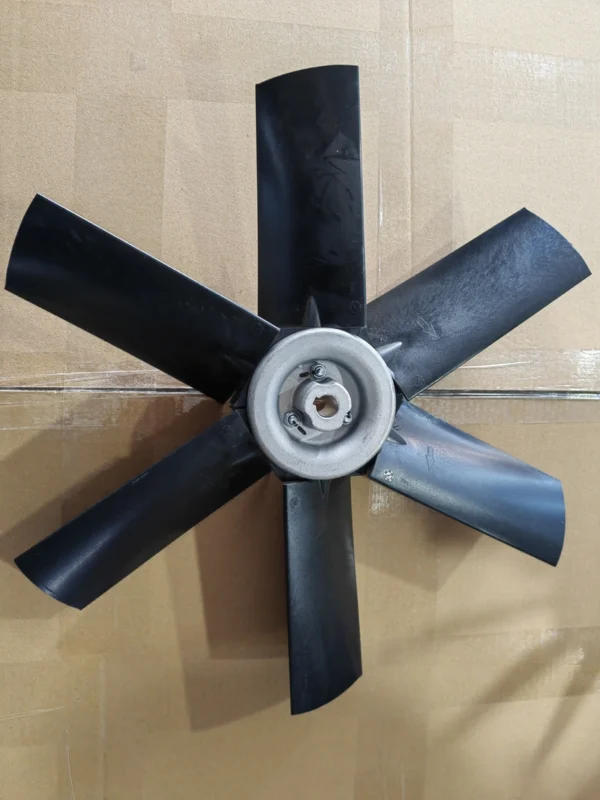
Form Factors and Aerodynamic Selection
Choosing the correct ventilation equipment requires matching mechanical parameters with facility safety protocols. Advanced manufacturers provide scalable solutions to meet diverse volumetric airflow requirements. When facility engineers specify an explosion proof axial fan, they must evaluate exact aerodynamic profiles and blade configurations to match their extraction needs.
For confined spaces, engineers often utilize models like the small size P3H series. This specific configuration features highly adjustable blades with pitch angles modifying from 25 to 50 degrees. Operating with diameters ranging from 141 to 745 millimeters, it provides precise airflow calibration.
Larger chemical processing zones require significantly higher volumetric extraction rates to maintain safety. A medium size P5Z configuration delivers this massive airflow capability for heavy industrial applications. This robust series operates with expanded diameters spanning from 319 to 1019 millimeters.
Acoustic management also remains critical in densely populated indoor manufacturing spaces. The small size explosion proof sickle axial fan S14H utilizes sweeping blade designs to optimize acoustic signatures. This geometry reduces trailing edge aerodynamic turbulence while maintaining exceptional volumetric flow efficiency.
Primary High-Risk Industrial Applications
Hazardous area ventilation is strictly mandatory across multiple heavy industry sectors globally. Each unique application requires specific airflow metrics to dilute airborne contaminants effectively. Properly sized systems prevent the dangerous accumulation of explosive materials.
- Petrochemical Refining: Rapid vapor extraction during crude oil processing and bulk volatile storage.
- Pharmaceutical Manufacturing: Managing fine, combustible chemical powders safely inside active compounding rooms.
- Marine Engineering: Ventilating confined ship bilges where heavy fuel fumes accumulate continuously.
- Industrial Coating: Expelling highly volatile solvent vapors from enclosed automated paint booths.
Managing Static Pressure in Extraction Ductwork
Many industrial facilities utilize extensive ducting networks to expel dangerous fumes safely outdoors. Pushing heavy air through these restricted pathways generates significant static pressure buildup. The chosen ventilation equipment must possess enough aerodynamic force to overcome this physical resistance.
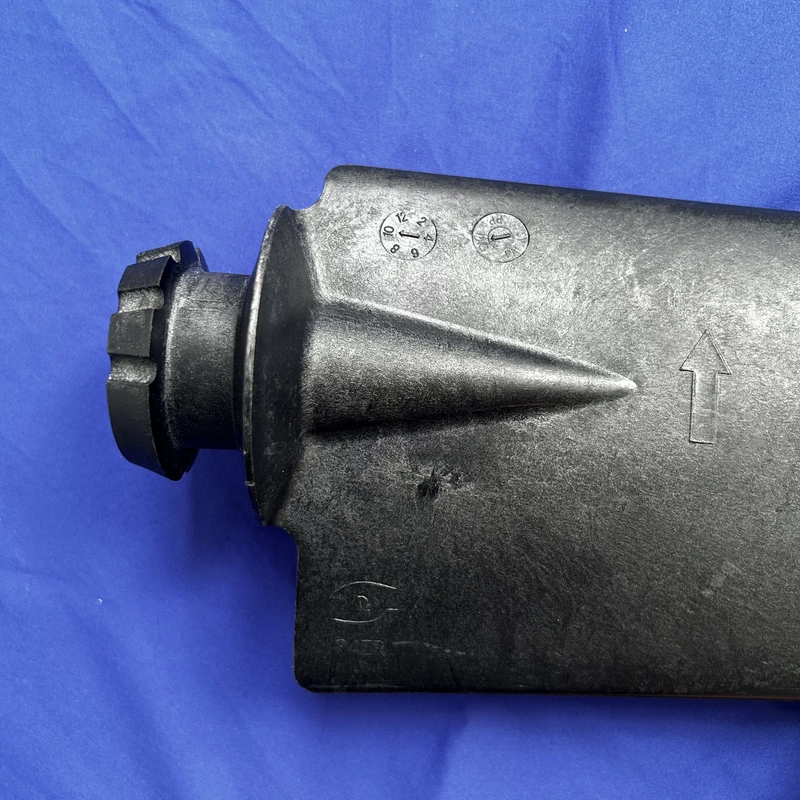
Blade pitch angle directly impacts a fan’s ability to handle extraction ducting resistance. Steeper blade angles move more air but demand significantly higher electrical motor torque. Adjustable pitch impellers allow plant managers to fine-tune extraction rates for optimal system performance.
Material Engineering and Anti-Static Properties
Material selection remains absolutely critical for maintaining long-term safety in volatile chemical plants. Engineers predominantly utilize advanced cast aluminum alloys for the rotating fan impellers. Aluminum is inherently non-sparking, structurally rigid, and highly resistant to most chemical vapors.
Standard commercial plastics can easily accumulate static electricity, creating a hidden ignition hazard indoors. To prevent this, manufacturers apply specialized anti-static surface treatments to all non-metallic components. These carbon-loaded coatings safely dissipate electrical charges before a dangerous static spark can occur.
| Design Metric | Volatile Gas Environments | Combustible Dust Environments |
| Primary Hazard | Petrochemical vapors, solvent fumes | Coal dust, pharmaceutical powders |
| Motor Enclosure | Flameproof internal containment required | Dust-ignition-proof external housings |
| Airflow Strategy | High-velocity continuous vapor dilution | Sustained safe particulate suspension |
| Material Focus | Non-sparking cast aluminum blades | Anti-static grounded surface coatings |
Vibration Analysis and Dynamic Rotor Balancing
Excessive mechanical vibration severely damages bearings and compromises the motor enclosure integrity over time. Manufacturers must perform strict dynamic balancing on every impeller before final assembly and shipment. This process ensures smooth rotation even at maximum operational speeds under heavy aerodynamic load.
Unbalanced rotors generate microscopic friction that can easily escalate into a severe sparking hazard. Industrial sensors monitor vibration frequencies during factory testing to guarantee operational stability. Only perfectly balanced assemblies receive safety certification for deployment in explosive industrial atmospheres.
FAQ
What is the main function of an explosion proof axial fan?
Its primary function is to safely ventilate hazardous areas without causing accidental ignition. It utilizes specialized non-sparking materials and heavily sealed motors for maximum industrial safety. This design prevents internal electrical arcs or mechanical friction from igniting combustible airborne materials.
Why are non-ferrous metals used for the impeller blades?
Ferrous metals like steel can create dangerous sparks if they strike physical objects. Non-ferrous materials like cast aluminum will not spark during accidental mechanical friction or scraping. This eliminates a major ignition source inside volatile chemical or petrochemical manufacturing environments.
How does thermal regulation work in hazardous area motors?
These specialized motors feature extensive external cooling fins engineered directly into the outer casing. The metallic fins drastically increase the external surface area to dissipate internal heat rapidly. This thermal management ensures the exterior temperature never reaches the ignition point of surrounding gases.
What is the purpose of an adjustable pitch impeller?
Adjustable pitch impellers allow engineers to modify the angle of the blades for precise airflow control. Modifying the angle helps the system overcome specific static pressure resistance within ventilation ductwork. Steeper angles increase volumetric displacement but require a much more powerful drive motor to operate.
Reference Sources
- ISO 80079-36: Non-electrical equipment for explosive atmospheres – Basic method and engineering requirements.
- ATEX Directive 2014/34/EU: Mandatory European regulations for equipment and protective systems intended for use in potentially explosive atmospheres.
- UL 674: The North American safety standard for Electric Motors and Generators for Use in Hazardous Classified Locations.
- NFPA 70 (NEC): National Electrical Code engineering guidelines for Class I and Class II hazardous industrial environments.